Kinds of Schools

There are several types of boarding schools, each offering a unique set of experiences. The articles in this section will provide more information on college preparatory, junior and therapeutic boarding schools. Here you will explore the pros and cons of single sex education, learn the truth about military schools and identify schools with programs for learning disabled students.

View the most popular articles in Kinds of Schools:

Homeschool to Boarding School Transition Guide

Updated
|
Homeschool to Boarding School Transition Guide
Learn how families can prepare for a successful homeschool to boarding school transition, from academics to social adjustment.

For many families, homeschooling offers flexibility, individualized instruction, and close family connection. Yet as students reach middle school or high school, some parents begin exploring boarding school as a pathway to greater academic rigor, extracurricular opportunities, college preparation, and social development.

The homeschool to boarding school transition can be highly successful, but it requires thoughtful preparation. Students moving from a home-based learning environment into a structured residential school setting often face adjustments in academics, independence, routines, and peer relationships.

In 2026, boarding schools are increasingly familiar with applicants from nontraditional educational backgrounds. Admissions offices have adapted their evaluation processes, and many schools now actively recruit homeschooled students who demonstrate curiosity, self-motivation, and strong family support.

Still, parents should understand the practical and emotional challenges involved before making the leap.

Why Homeschool Families Choose Boarding School

Families pursue boarding school for many reasons, and motivations often evolve over time.

Common factors include:

  • Access to advanced STEM, arts, or language programs
  • Greater athletic or performing arts opportunities
  • Preparation for competitive colleges
  • Desire for structured accountability
  • Expanded social experiences
  • Specialized learning support
  • Preparation for independent adulthood

For some students, the transition occurs naturally after years of successful homeschooling. Others may seek a new environment after outgrowing local academic options.

According to the National Center for Education Statistics, homeschooling remains a significant and growing segment of American education, particularly among families seeking personalized instruction. At the same time, many boarding schools have expanded mentoring, wellness, and transition programs to

. . .read more

Military Boarding Schools Guide for Parents (2026)

Updated
|
Military Boarding Schools Guide for Parents (2026)
Explore military boarding schools in 2026. Learn benefits, structure, costs, and how to choose the right program for your child.

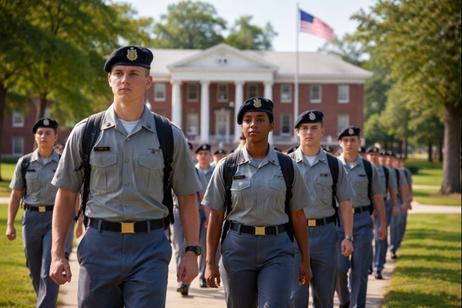
Military boarding schools continue to attract families seeking structure, discipline, and leadership development in a residential academic setting. While often misunderstood as rigid or punitive environments, today’s military boarding schools offer a balanced education that combines academics, character development, and personal growth.

This updated Military Boarding Schools Guide explains how these institutions work, who they serve best, and what families should consider when evaluating options in 2026.

What Is a Military Boarding School?

A military boarding school is a college-preparatory institution that integrates military-style structure into daily student life. Students, often referred to as cadets, follow a regimented schedule that includes academics, physical training, leadership exercises, and community responsibilities.

Unlike traditional boarding schools, these programs emphasize:

  • Chain-of-command leadership models
  • Uniforms and inspections
  • Physical fitness and discipline
  • Character development and accountability

However, most military boarding schools are not affiliated with the armed forces and do not require students to pursue military careers.

Who Should Consider a Military Boarding School?

Military boarding schools are not one-size-fits-all. They are best suited for students who benefit from clear expectations and structured environments.

Ideal candidates include:

  • Students needing improved focus or discipline
  • Teens interested in leadership development
  • Students aiming for service academies or ROTC programs
  • Learners who thrive with routine and accountability

Families considering alternatives to traditional education paths may also find value in exploring therapeutic boarding schools or junior boarding schools, depending on the student’s needs.

Key Features of Military Boarding Schools

While each institution differs, most military boarding schools

. . .read more

Boarding School vs Online Schooling: Academic Outcomes

Updated
|
Boarding School vs Online Schooling: Academic Outcomes
Compare boarding school vs online schooling outcomes in 2026. Explore academics, structure, and which model best supports student success.

As families weigh education options in 2026, one question continues to surface: Boarding School vs Online Schooling, which produces better academic outcomes?

The answer is not one-size-fits-all. Both models have evolved significantly in recent years, shaped by advances in technology, shifting family priorities, and new research on student performance. However, when examined closely, each approach offers distinct advantages and limitations that directly influence academic achievement.

This article provides a clear, research-informed comparison to help parents and students make a confident, informed decision.

Understanding the Two Models

Before comparing outcomes, it is important to define what each model offers.

Boarding Schools

Boarding schools provide a fully immersive educational experience where students live on campus. These schools typically offer:

  • Structured academic schedules

  • In-person instruction with low student-teacher ratios

  • Supervised study hours

  • Extensive extracurricular opportunities

  • College-preparatory environments

Many boarding schools emphasize holistic development, combining academics with leadership, independence, and social growth.

Online Schooling

Online schooling, also known as virtual or remote learning, allows students to complete coursework from home or any location with internet access. Programs range from fully asynchronous platforms to live, teacher-led virtual classrooms.

Key features include:

  • Flexible scheduling

  • Personalized pacing

  • Access to a wide range of courses

  • Reduced geographic constraints

Online schooling has expanded rapidly, particularly following the global shift toward digital education earlier in the decade.

Academic Outcomes: What the Research Shows

When evaluating Boarding School vs Online Schooling, academic outcomes can be measured through:

  • Standardized test performance

  • Graduation rates

  • College readiness

  • Student engagement

. . .read more

Military Boarding Schools 2026: Relevance, Costs, Trends

Updated
|
Military Boarding Schools 2026: Relevance, Costs, Trends
Explore military boarding schools in 2026, including costs, enrollment trends, expert perspectives, and planning guidance for parents choosing the right school.

Military boarding schools have been part of the U.S. educational landscape for more than a century. In 2026, families and educators are revisiting the question: do these institutions still hold value in an era defined by alternative pathways, evolving student needs, and significant cost pressures? This article examines updated data, modern trends, and practical planning considerations for parents evaluating military boarding school options today.

Understanding the Model

Military boarding schools are residential, college-preparatory schools that incorporate elements of military structure, discipline, leadership development, uniforms, and often Junior ROTC or equivalent cadet programs. Unlike the U.S. service academies, attendance does not require a commitment to military service. Instead, the model blends structured routines with academic preparation and leadership skill building.

How Many Schools and Students Today

For the 2026 school year, there are 14 military boarding schools in the United States and Canada serving approximately 3,700–3,703 students. These schools range in size, mission, and cost, but share a common emphasis on leadership and structured residential life.

Why the Model Still Offers Value

Military boarding schools remain relevant for families seeking specific educational outcomes:

  • Leadership and Discipline: Schools emphasize structured environments that practice time management, responsibility, and leadership roles in daily life.

  • Academic Preparation: Many military boarding schools offer rigorous college preparation similar to other private boarding schools, with small class sizes and individualized support.

  • Residential Community and

. . .read more

Types of Boarding Schools in 2025

Updated
|
Types of Boarding Schools in 2025
Explore the main types of boarding schools in 2025 with updated tuition, trends, demographics, and expert insights for informed family decisions.

Types of Boarding Schools: A 2025 Guide

In 2025, the world of boarding schools will remain rich and varied, reflecting broader shifts in educational demand, global mobility, cost pressures, and evolving family priorities. Understanding the distinct boarding models is essential for families choosing the right environment for their child’s academic growth, personal development, and long-term success. This guide builds on the established structure of previous editions and integrates the latest data, expert perspectives, and policy trends shaping residential education today. Boarding School Review+1

1. Traditional College-Preparatory Boarding Schools

Traditional college-prep boarding schools remain a cornerstone of residential education in the United States and internationally. These campuses emphasize rigorous academics, structured residential life, and comprehensive extracurricular options.

2025 Snapshot
Tuition for seven-day boarding at many U.S. college-prep schools now ranges from about $60,000 to $80,000 annually, with five-day boarding options averaging approximately $55,000. Elite schools like Hotchkiss and Groton continue to lead with robust academic programmes and expanding financial aid. Boarding School Review+1

Core Features

  • Advanced curricula (AP, IB, honors) and strong college matriculation support.

  • Rich extracurricular life including arts, athletics, and leadership programmes.

  • Residential structures designed to build independence, peer collaboration, and accountability.

Expert Insight
Dr. Isabel Martinez, longtime admissions consultant, observes that college-prep schools are “tailoring learning pathways to student passion areas, from data science to global citizenship, while preserving academic rigor.”

Considerations
Families

. . .read more

Recent Articles

What Happens If You Fail a Class at Boarding School?
Learn what happens if you fail a class at boarding school, including academic probation, support programs, credit recovery, and college implications.
Independent Study and Research Opportunities at Boarding Schools
Explore independent study and research opportunities at boarding schools, including mentorship, capstone projects, and college preparation benefits.
Do Boarding School Students Study More? Daily Schedule Breakdown
Discover how much boarding school students really study with a realistic daily schedule breakdown and comparison to traditional day schools.